
Speakers
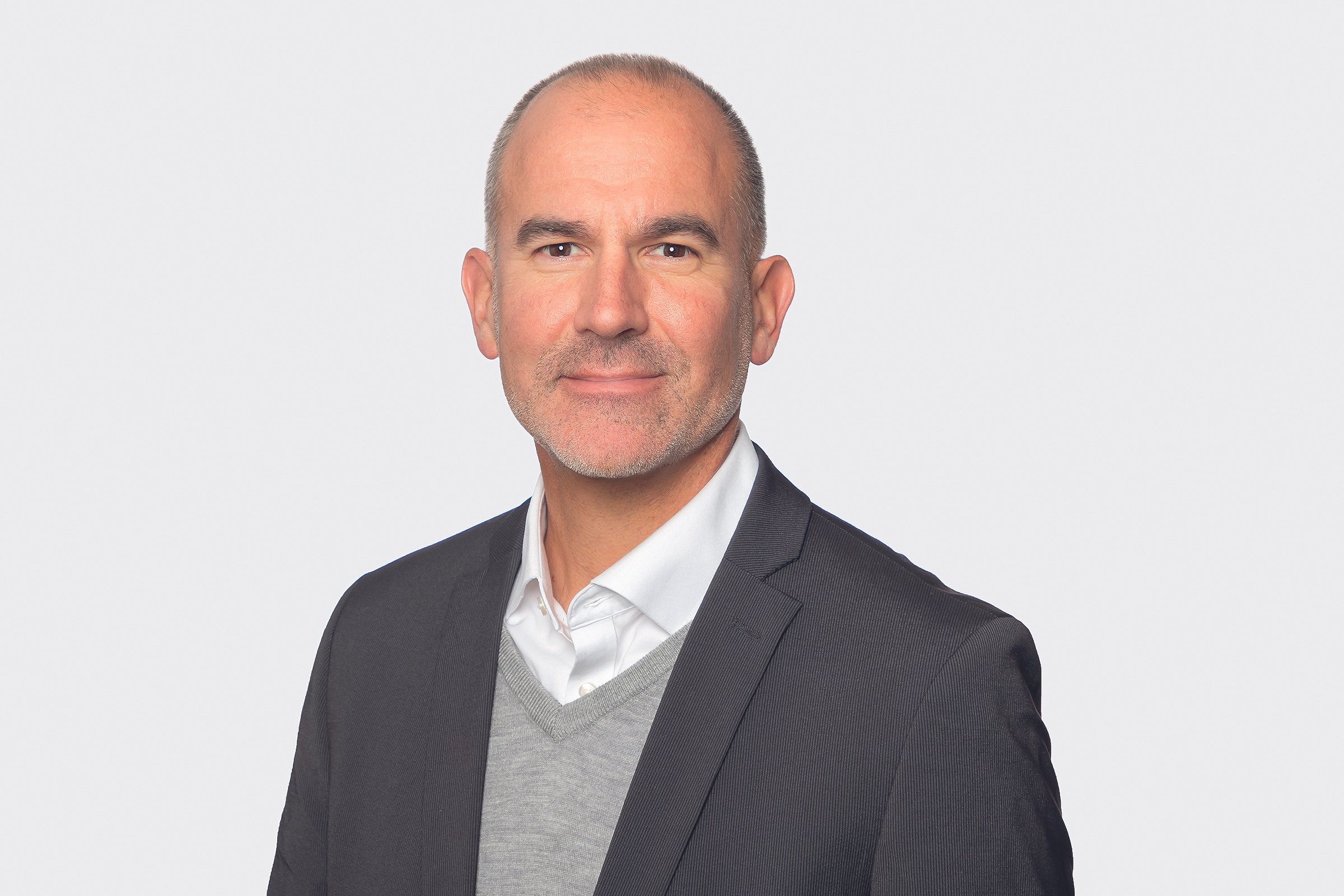
Prof. Dr. Raoul Klingner
Director, Fraunhofer WKI Institute for Wood Research, Braunschweig, Germany
-
From Low-Value Wood to High-Tech Materials and Resilient Value Chains: 80 Years of Forest Bioeconomy Innovation and the Redwood Region Opportunity
Post-war Germany faced a version of the challenge the Redwood Region knows well: an abundance of forest material the existing economy had no good way to value, infrastructure and systems that left enormous potential on the table, and an urgent need to rebuild. The answer was innovation and 80 years later, Fraunhofer WKI stands as one of the world's leading wood product research institutions, having turned that untapped potential into a thriving global industry. Prof. Dr. Raoul Klingner, WKI's Director, Professor at Technical University Braunschweig, and newly appointed chair of Germany's national ministerial advisory group on forest and wood research, brings that story and its direct lessons here. His keynote will cover the materials WKI has developed, the policy investment that made it possible, the EU's newly released 2025 Bioeconomy Framework, and what WKI's current wildfire-resilient materials research means for California's construction markets and building codes.
-
Renewable resources, sustainable development and the power of collaboration are driving my research interest ever since university education and having followed then the studies on limits of growth and the club of Rome. This lead me to study wood science and technology at the University of Hamburg, receive a PhD at ETH Zurich for studying the thermodynamics of wasp paper nests as one kind of nature’s light weight construction models at the chair of building physics. After a post-doc time at the wood research department at EMPA in Switzerland I turned my interest to corporate research management at Fraunhofer-Gesellschaft, Europe’s largest organization of applied research. I had the opportunity to look into R&D strategy development, head the international department and finally overseeing as director research the R&D portfolio of 75 Fraunhofer-Institutes being active on various fields from materials research and production technology to data science – and an increasing convergence of all of them.
Only towards the end of 2024 I found my way back to the forestry and much more the wood sector. I had the chance to run the Fraunhofer-Institute on Wood Research WKI as acting director then, and was appointed as director and university professor at the affiliated TU Braunschweig in 2026. In a way it feels like coming home, as renewable resources, sustainable development and the power of collaboration are more important than ever.
John C. Warner
A founder of Green Chemistry
CEO & CTO, Technology Greenhouse
-
TBA
-
John C. Warner
A founder of Green Chemistry | CEO & CTO, Technology Greenhouse Andover, Massachusetts, USA
John C. Warner is one of the founders of the field of green chemistry and co-author, with Paul Anastas, of the seminal 1998 book that established the definition and Twelve Principles of Green Chemistry. He earned a B.Sc. in Chemistry from the University of Massachusetts Boston (1984) and a Ph.D. in Organic Chemistry from Princeton University (1988).
As an industrial scientist at Polaroid Corporation (1988–1996), John led exploratory research programs that produced pioneering technologies in biomimetic thymine-based photoresists, mechanochemical color imaging, and noncovalent derivatization (which was recognized with the 2014 Perkin Medal).
As an academic at the University of Massachusetts (1996-2007), John served as a tenured full professor of plastics engineering (Lowell) and tenured full professor of chemistry (Boston) where he founded the world's first Ph.D. program in Green Chemistry in 2001. His publications span sustainable innovation, synthetic methodology, noncovalent derivatization, polymer photochemistry, and metal oxide semiconductors. He received the Presidential Award for Excellence in Science, Mathematics and Engineering Mentoring (PAESMEM) from the National Science Foundation in 2004 and the August Wilhelm von Hofmann Medal from the German Chemical Society in 2022. John currently holds academic appointments at Monash University in Australia, Chulalongkorn University in Thailand, Somaiya University in India, University of Birmingham in the UK, Rochester Institute of Technology in the US, and Technical University of Berlin in Germany. In 2007, John co-founded Beyond Benign with Dr. Amy Cannon to accelerate the global adoption of green chemistry education. Today the organization supports educators at hundreds of universities worldwide.
As an entrepreneur, John is the CEO and CTO of Technology Greenhouse, where he is inventor of over 370 patents, has worked with over a hundred companies worldwide, and has served on innovation and sustainability advisory boards for several multinational organizations. John’s inventions have led to new ventures in neurochemistry, cosmetics, construction materials, biodegradable polymers, photovoltaics, water harvesting, flow chemistry, and AI-assisted drug discovery. Additional technologies under development include innovations in Alzheimer's disease, oncology, engineered wood composites, battery/e-waste recycling, controlled-release systems, and metal oxide semiconductors. In 2016 he was named a “Lemelson Invention Ambassador” by the Lemelson Foundation and American Association for the Advancement of Science.
Some of John’s honors include being named one of “25 Visionaries Changing the World” by Utne Reader, and “One of the Most Influential People in the Chemical Industries” by ICI – Sciences. John is a member of the Club of Rome, a fellow of the American Chemical Society and a member of many international chemistry and science organizations. The “John Warner Center for Start Ups in Green Chemistry” has been named in his honor recently in Berlin, Germany.
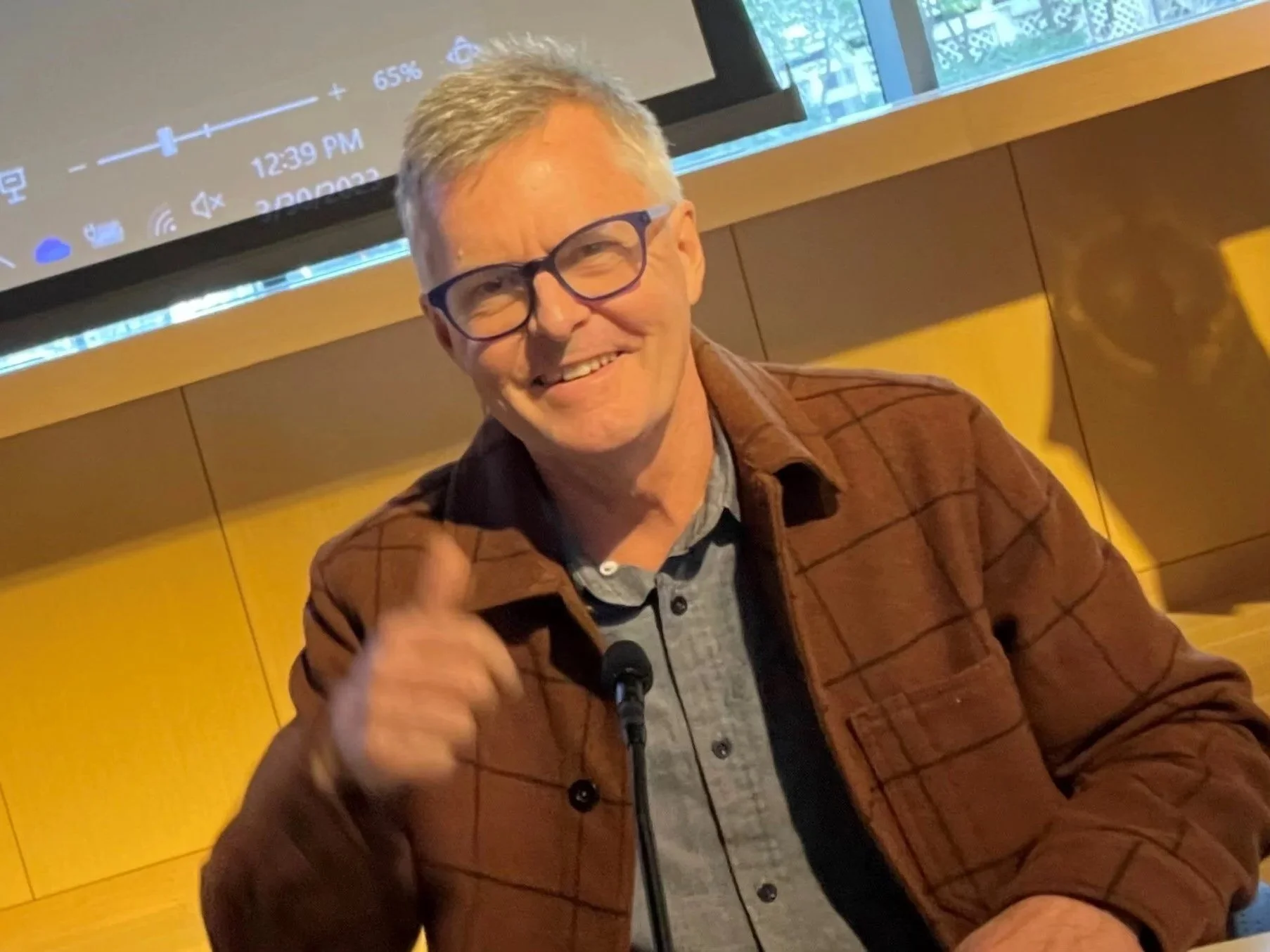
Patrick Wright
Director California Wildfire & Forest Resilience Taskforce
-
Healthy Forests, Resilient Communities: Stakes, Strategy, and Market Opportunity
California's forests are in crisis and the state knows it. The California Wildfire and Forest Resilience Task Force has set a bold target: treat one million acres of forestland annually to meaningfully reduce catastrophic fire risk, protect communities, and restore forest health across the state. But achieving that goal requires more than political will. With declining state and federal budgets, the math only works if private markets step in, creating the economic conditions that make landscape-scale forest stewardship financially viable for the landowners, tribal nations, and forest managers who do the work on the ground.
And the opportunity runs deeper than risk reduction. The biomass generated by active forest management is also the raw material for a new generation of disaster-resilient, green building materials, products that sequester carbon, are produced through clean and non-toxic processes, and help rebuild and harden the communities most exposed to wildfire and climate risk. Forest stewardship, done right, is both a climate mitigation strategy and a community adaptation strategy and the markets we build to support it can serve both goals at once.
Patrick Wright, Director of the California Wildfire and Forest Resilience Task Force, opens the day by grounding our audience in the urgency, the strategy, and the full scope of the opportunity. His remarks set the frame for everything that follows: a full day of working sessions designed to build the market infrastructure, investment relationships, and policy pathways that California's forest health strategy and our communities' long-term resilience depends on.
-
: Patrick E. Wright serves as the Director of the California Wildfire & Forest Resilience Task Force. This task force was established by Governor Gavin Newsom to address the critical challenge of preventing catastrophic wildfires. It brings together a coalition of resources to create healthier, more sustainable natural environments and enhance forest health. Wright has been actively involved in forest management and conservation, having previously served as the Acting Director of the Forest Management Task Force at the California Natural Resources Agency and as the Executive Director at the Tahoe Conservancy since 2006
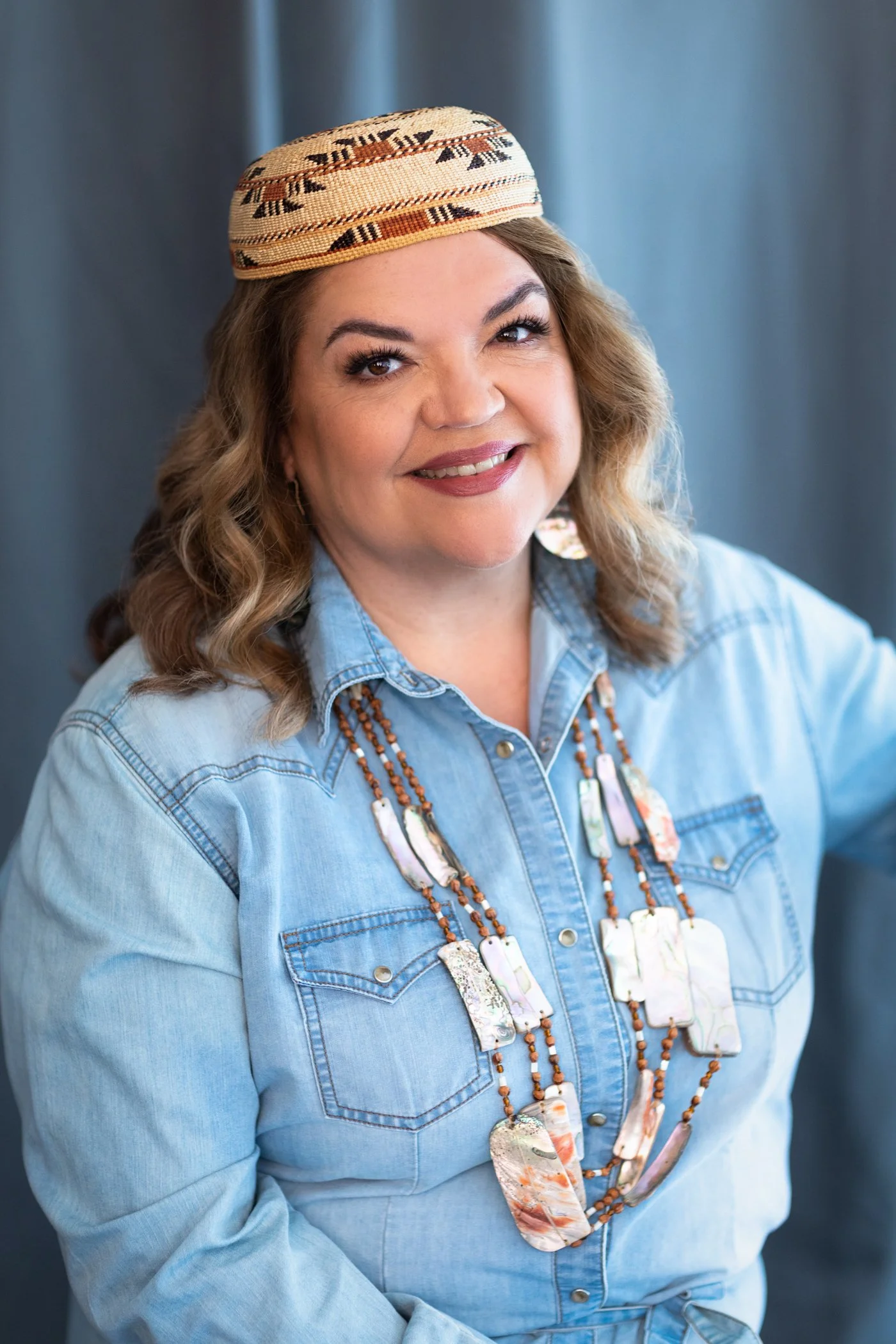
Michelle McCovey-Good, PE
President and CEO of Ni'-Whōn Consulting, LLC
CEO of T&S Structural
-
Michelle McCovey-Good, PE is a Professional Engineer, President and CEO of Ni'-Whōn Consulting, LLC, and CEO of T&S Structural. A member of the Hoopa Valley Tribe and of Hupa and Yurok descent, Michelle brings more than 27 years of engineering experience together with a lifelong connection to the cultural traditions and ecological knowledge of her people. Raised in Hoopa by her great-grandparents, she comes from a family of basket weavers, traditional regalia artisans, Hupa language teachers, and traditional home builders, whose teachings shaped her understanding of the reciprocal relationship between people and the natural world.
Today, Michelle works at the intersection of engineering, tribal community development, and cultural stewardship, advocating for infrastructure and land management practices that honor Indigenous values while strengthening community resilience. In her practice and as Chair of the Hoopa Valley Tribe Land Commission and Vice Chair of the Hoopa Valley Tribe’s Denoto Holding Corporation, she is passionate about elevating Traditional Ecological Knowledge (TEK) as an essential complement to modern science in new product development while recognizing tribes as indispensable partners in restoring healthy forests, reducing wildfire risk, and stewarding natural resources through generations of place-based knowledge. Drawing from both her engineering practice and her cultural heritage, Michelle champions collaborative approaches that respect tribal sovereignty and demonstrate the enduring value of Indigenous leadership in forest management and climate resilience.
-
Item description
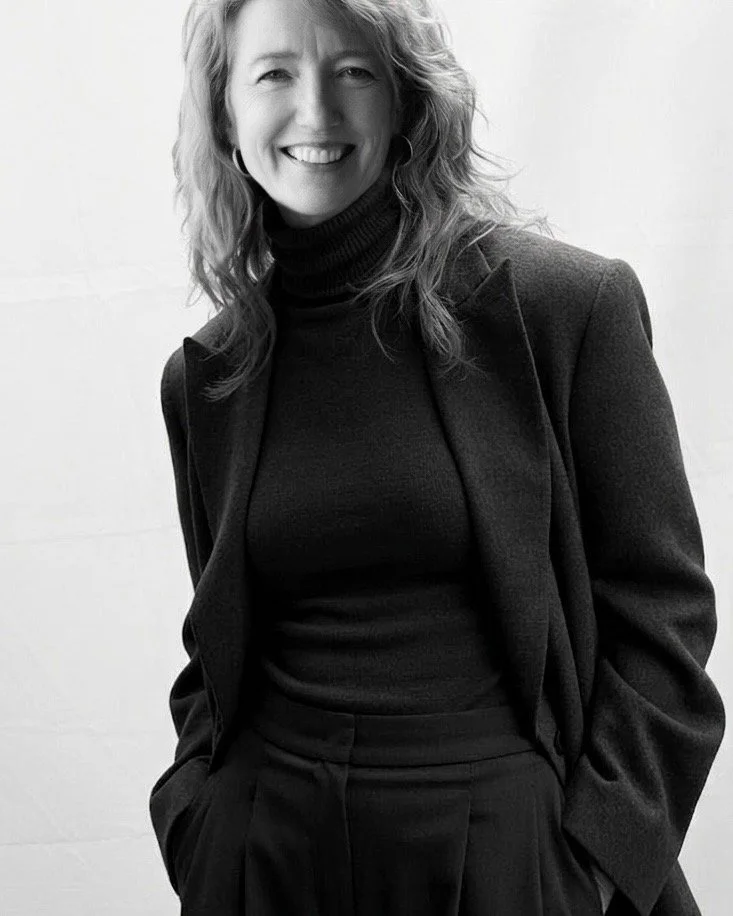
Christy Prescott
Executive Director
Forest WRX Alliance
-
Building on the morning's opening remarks and keynote, Christy Prescott, Executive Director of Forest WRX Alliance, articulates a concrete vision of what a functional forest stewardship bioeconomy looks like at full scale: integrated supply chains flowing from responsibly managed forests through innovation labs and manufacturing facilities to market; rural and tribal communities anchored by meaningful forest-based employment and investment; landowners generating diversified income from carbon, biomass, and long-term timber management; and capital flowing toward projects at every Technology Readiness Level. Ms. Prescott maps the ecosystem of actors needed to make this economy real, and emphasizes that building it requires deliberate partnership crafting among investors, researchers, manufacturers, tribal nations, and landowners with different timelines, incentives, and expertise. Her remarks set the frame for the regional asset overview and technology lightning round that follow, and orient attendees toward the afternoon working sessions where those partnerships begin to take shape.
-
Christy Prescott serves as Executive Director of the Forest WRX Alliance, a Northern California nonprofit catalyzing a circular forest stewardship bioeconomy across the Redwood Region. With over 20 years as a Social Scientist with the United States Department of Agriculture (USDA) Forest Service, she brings deep expertise in leading interdisciplinary teams through National Environmental Policy Act (NEPA) analysis, federal land management planning, facilitation, and process design. This work culminated in a focused commitment to biomass utilization and bioeconomy development as a means to supporting sustainable forest management and healthy rural economies. Ms. Prescott architects integrated ecosystem solutions by bridging research institutions, investors, manufacturers, and landowners to build the partnerships and infrastructure necessary for bioeconomy scaling. She also serves as Design Team Co-Convenor for Cal Poly Humboldt's Climate Technology and Natural Resource Management Program. Her work creates the conditions for complete value chain development, from forest treatment through advanced manufacturing to workforce opportunity, positioning forest stewardship as a climate mitigation and adaptation strategy that generates prosperity for rural communities.
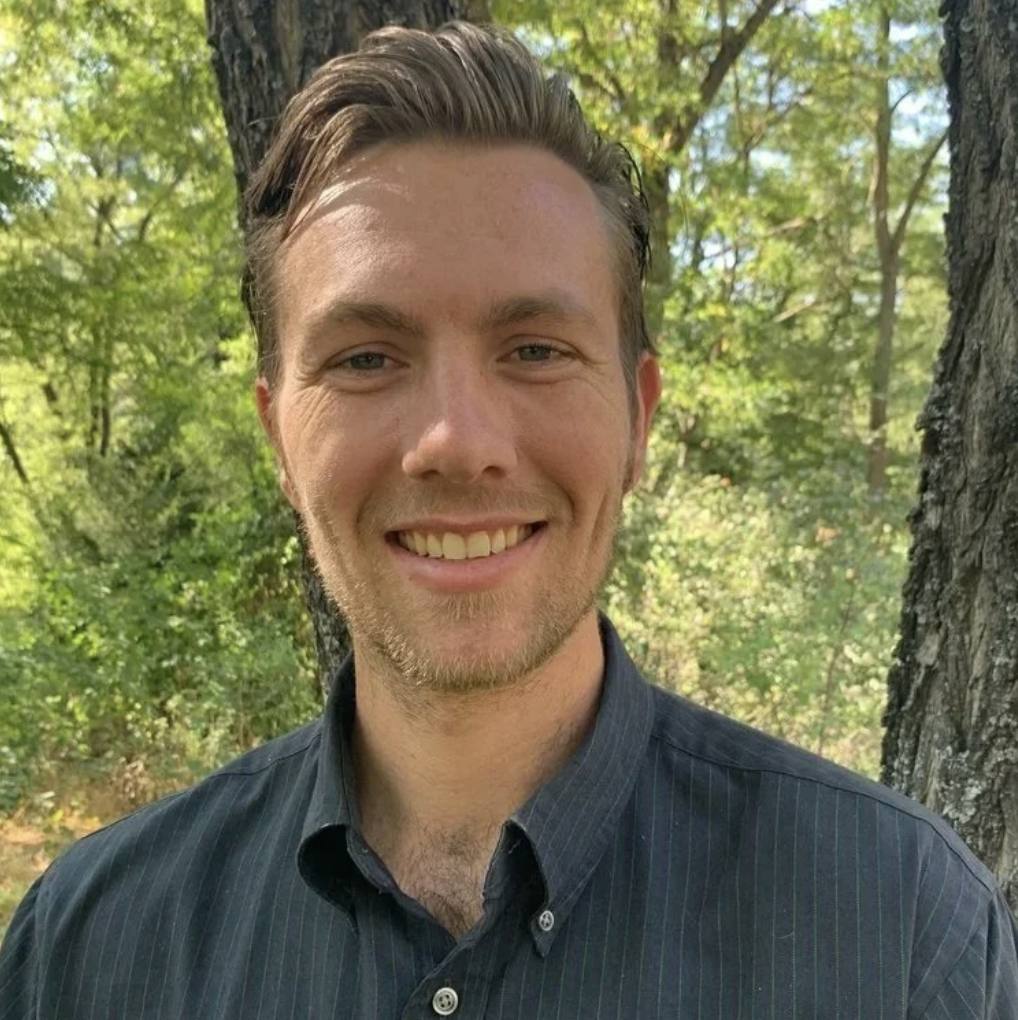
Clarke Stevenson
Forest Stewardship Specialist at The Watershed Research and Training Center
-
From Byproduct to Bottom Line: The California Wood Supply Group Model
This session gives an overview of the California Wood Supply Group (CWSG), a market coordination initiative run by the Watershed Research and Training Center that connects buyers of California-grown wood to a vetted network of small and mid-size Northern California sawmills and producers through a single point of contact.
It covers the problem CWSG addresses: California imports roughly 80 percent of its solid sawn lumber, despite generating substantial wood volume, including material from fuels reduction, restoration, and wildfire risk reduction work. That gap reflects missing market infrastructure, not a shortage of trees.
The session also covers CWSG's value to two audiences. For manufacturers, it means one coordinated relationship instead of many, plus documentation and chain-of-custody tracking that support sustainability and code compliance. For landowners and producers, it means access to buyers actively seeking California wood and a path to turn stewardship byproducts into revenue rather than disposal cost.
-
As the Forest Stewardship Specialist, Clarke works across a variety of WRTC’s local, regional, and statewide programs, utilizing his expertise and skills to help project teams plan, fundraise for and execute complex projects. Much of his work focuses on increasing forest biomass utilization in the North Coast Region and across California, but he also supports projects for Forestry and Fuels, Fire Management, Regional Technical Services and Watershed Stewardship programs. Before WRTC, Clarke worked for an air district and bioenergy attorney, supporting state policy and program development to overcome barriers to wood utilization throughout the state. He holds a MS in Energy Technology and Policy from Cal Poly Humboldt and is based out of Arcata. In his free time, he likes to participate in the Humboldt Prescribed Burn Association, playing in the outdoors, and exploring all the fun community events Humboldt has to offer.
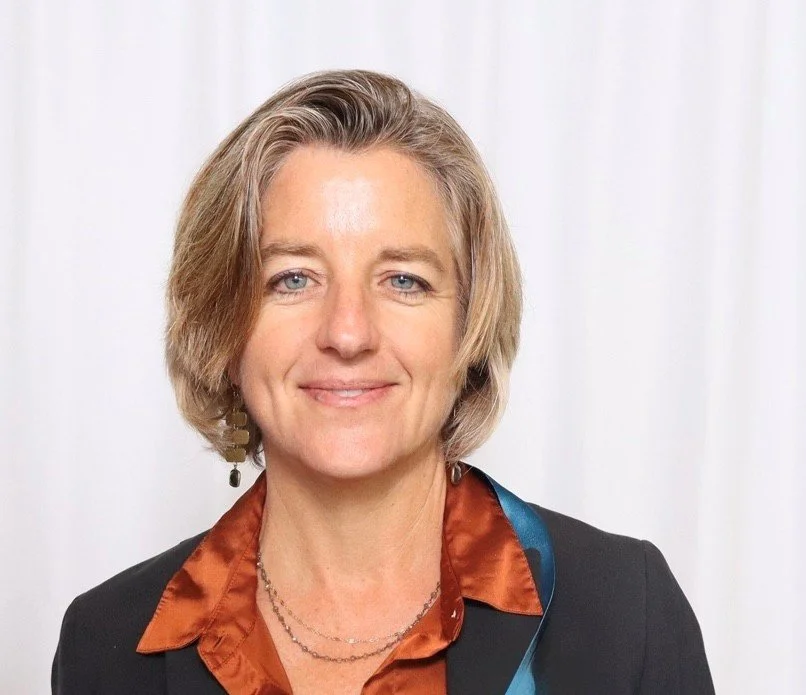
Yana Valachovic
County Director and Forest Advisor, UC Cooperative Extension, Humboldt and Del Norte
-
Title: What makes the North Coast unique: An exploration of the region’s forests, people, and
fiber processing?
Yana Valachovic, Humboldt County’s Cooperative Extension Forester, frames the day with a brief introduction to the region. Her presentation provides the foundation to explore: if the fiber resources are here, can we enhance the markets, the workforce, and the infrastructure to improve resource resiliency and thriving communities?
-
Yana Valachovic, RPF #2740, is the county director and forest advisor for the University of California Cooperative Extension in Humboldt and Del Norte Counties, a role she has had since 2000. She works at many scales, and in addition to her local experience, she is a state leader in developing and delivering strategies to improve wildfire resilience. She holds roles with the Governor’s Wildfire Forest Resilience Task Force and the Wildfire Mitigation Committee. She is active in California policy development and has been the technical resource for bills related to bioenergy, forest management, and incentives for fire mitigation. She is a real champion for the North Coast and is keenly interested in helping communities steward their forest resources, support community economic development, and achieve wildfire resilience.
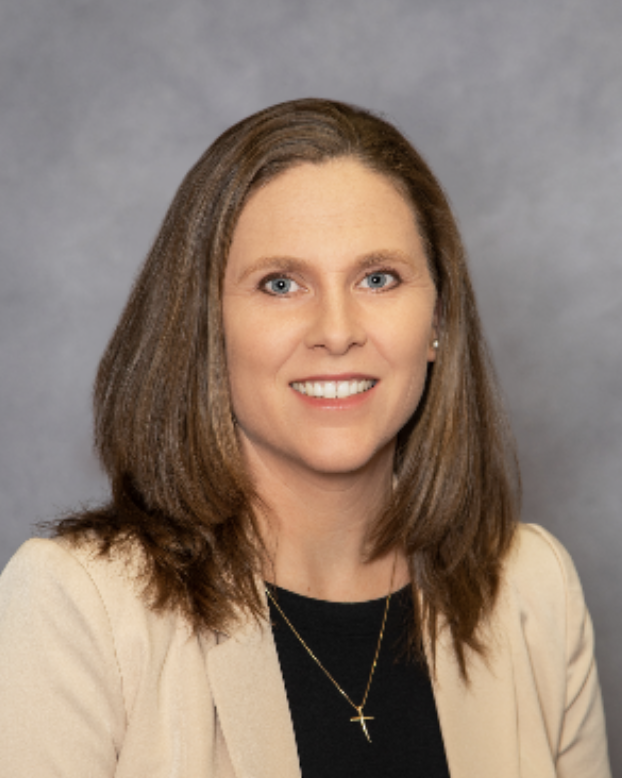
Nina Natina
Regional Business Development Manager, North State & Redwood Coast
-
Coming soon.
-
Nina Natina serves as the Regional Business Development Manager for the North State and Redwood Coast on the California Business Investment Services team, a department within the Governor’s Office of Business and Economic Development, or GO-Biz. In her role, Nina supports 14 counties in the northernmost part of our state. She assists businesses with navigating state incentive programs and finding sites for their projects. She regularly connects with economic development partners across the region from her home office in Redding.