
Who we are
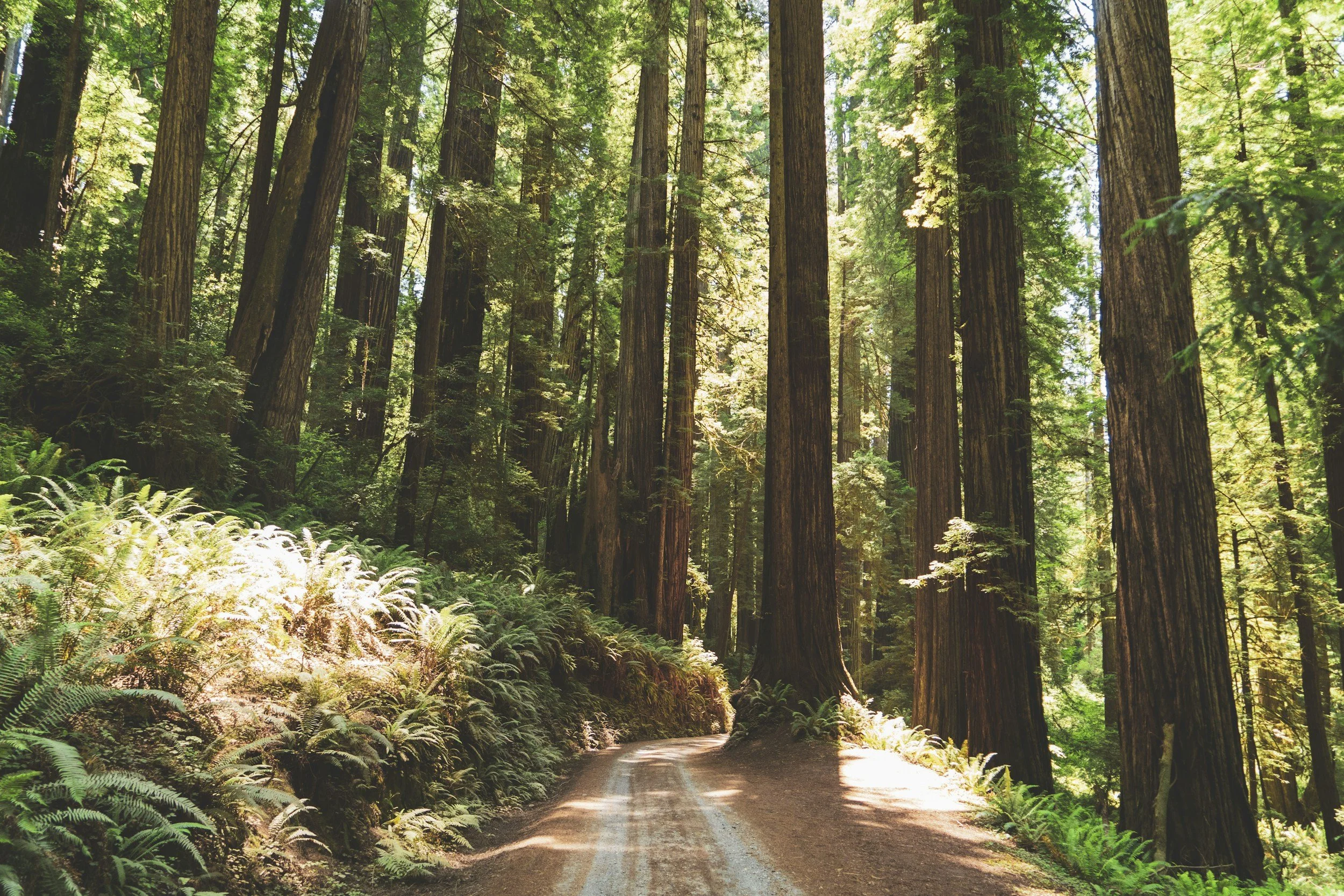
We are rooted in a love of the land. Healthy, functional forests are integral to healthy communities and deliver significant ecological, social and economic benefits.
We recognize the benefits of utilizing wood in providing jobs, reducing catastrophic wildfires, and improving community and forest resilience.
Our Values
Love of the land
Regenerative practices that nourish people and the land
Diversity of perspectives and respect for one another
Working together in ways that enrich us all
Why We Care
Healthy, functional forests are integral to healthy communities and deliver significant ecological, social and economic benefits:
-
Scenic and cultural resources are important to sense of place, community stability and identity. Forest resources cultivated through active forest stewardship that support community resilience include things like firewood, materials used to create residential and commercial buildings, native american traditional regalia, energy, food, and floral products.
-
Clean air and water are important to public health, municipal water supply and agriculture. Forest Experiences provide opportunities for social bonding, personal growth, and renewal.
-
Ecosystem services like carbon storage and sequestration, nutrient cycling, wildlife and fish habitat, biodiversity, air purification, water storage and release are foundational to social and economic sustainability.
-
Recreational and cultural opportunities important to the quality of life of Californians, include scenic views, trails, and water resources are a staple of California lifestyle and tourism. Recreation from healthy lands further improve personal health and wellness, and reduce costs associated with poor health.
-
Jobs and labor income generated through forest stewardship activities in rural communities may reduce risk of catastrophic wildfire communities and infrastructure bolster social and economic stability.
Beliefs & Assumptions
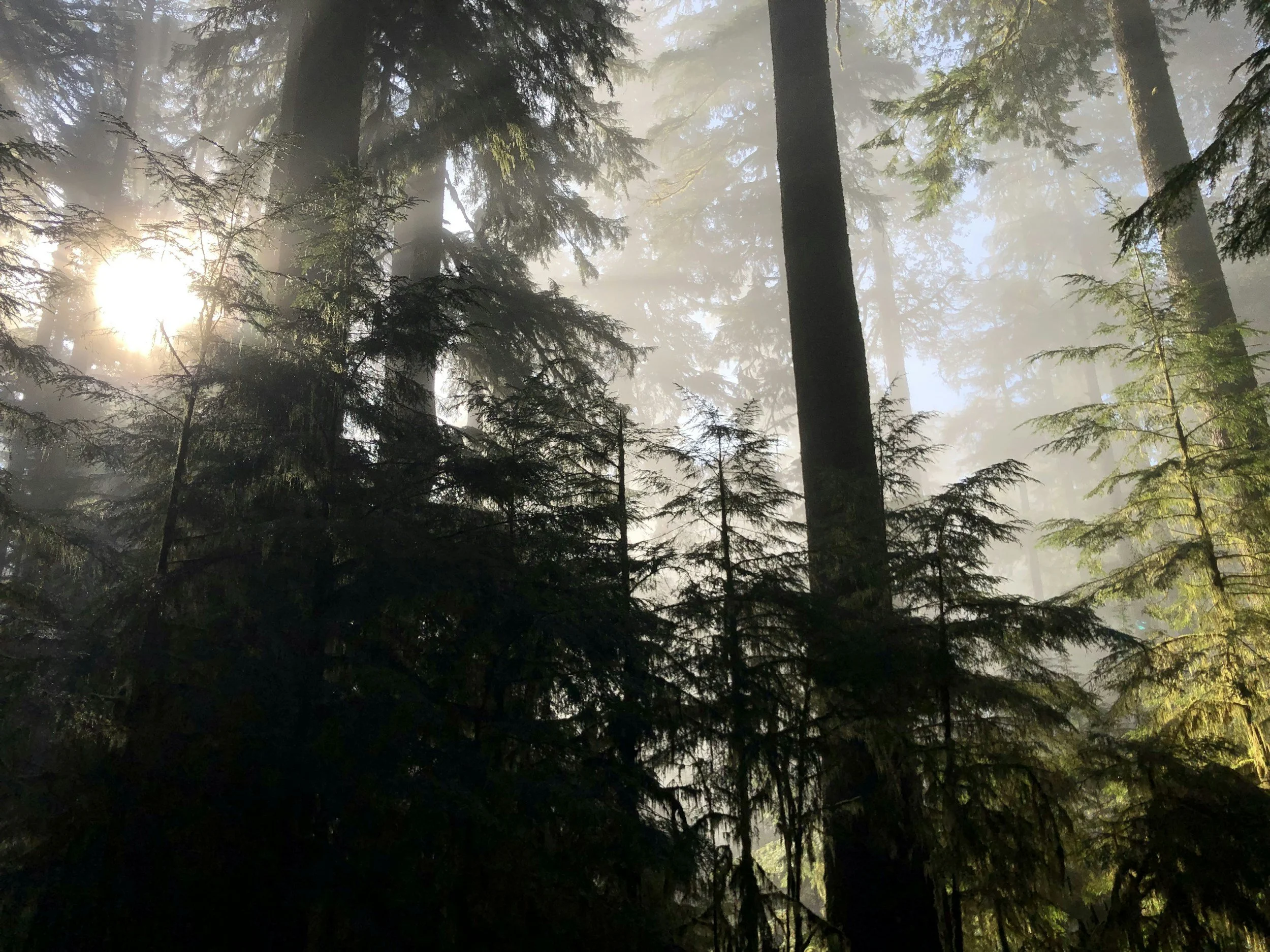
Dense forests are susceptible to drought, disease, and insect infestations resulting higher mortality and increased risk of experiencing catastrophic wildfire.
Unhealthy forests fuel large, severe wildfires. Catastrophic fires release emissions that worsen extreme weather and raise future fire risk.
We urgently need long-term, multi-scale solutions. Active stewardship can improve landscapes and community resilience.
Developing markets for low-value woody biomass and ecosystem services will off-set treatment costs and create jobs.
Non-toxic, innovative wood products that increase carbon benefits offer a big chance to revive forests and local economies while supporting a circular economy.
Our land, institutions, and cultural values give the region the capacity to lead in forest stewardship and the forest-based circular economy.