
Where We’re Going
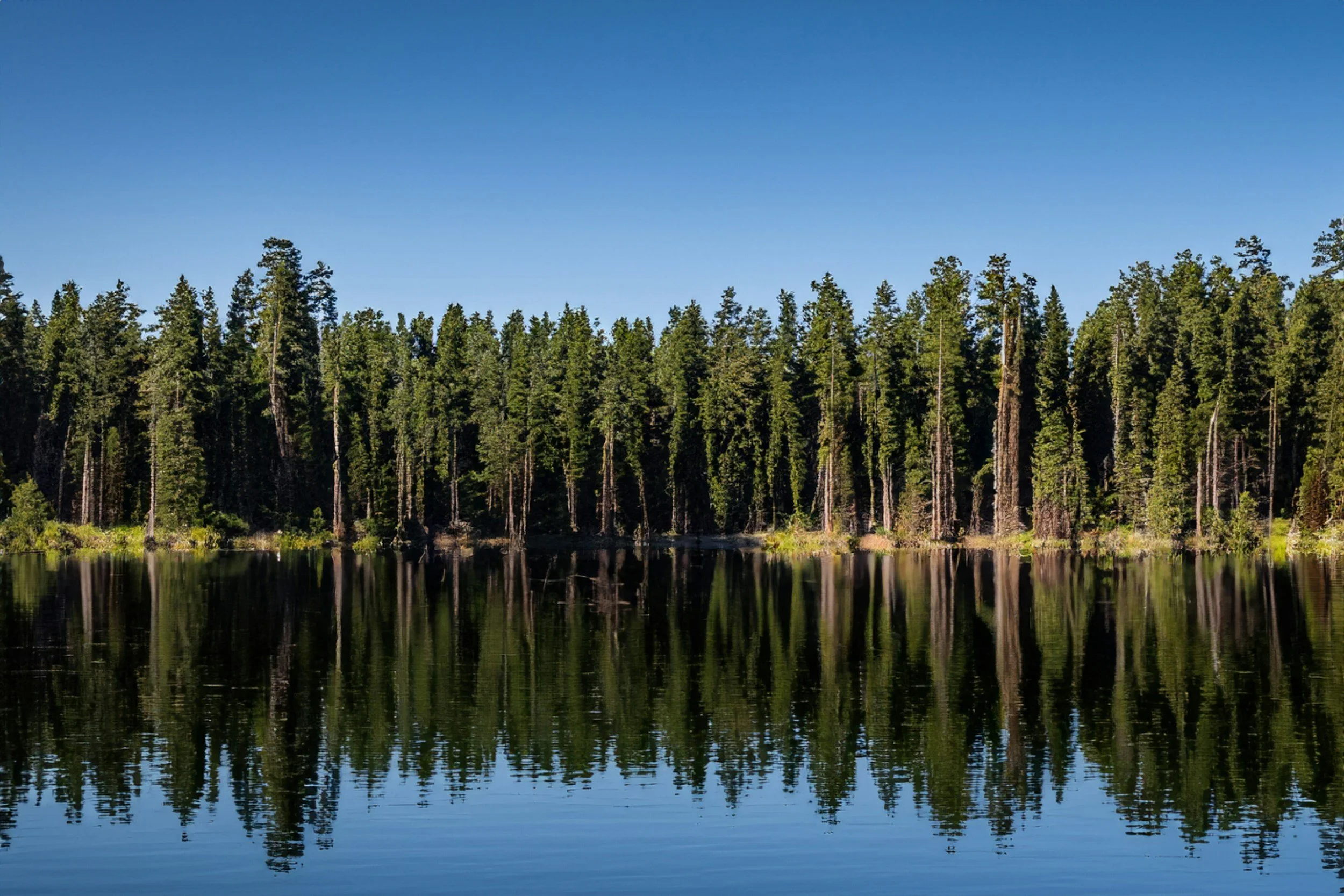
The Alliance aims to convene tribal nations, forest landowners, private companies, service and training providers, non-profits, academia, and public agencies to facilitate a shared understanding of the markets, communities and ecosystem dynamics and needed shifts.
The Alliance engages the community’s unique assets (for example, existing companies and infrastructure, new entrepreneurs, public infrastructure, cultural heritage, and academic institutions) to increase opportunities, foster innovation, and enable strategic investments resulting in equitable outcomes.
Rooted In love of the land.
Resource Mobilization
-
Facilitate connections between landowners, investors, and manufacturers to encourage innovative uses for biomass. Focus on trust-building, long-term relationships. We aim to engage with other stakeholders and potential investors in the space, all while being a leader in wood product innovation.
-
Create deep/ongoing partnerships with foundations - including and beyond grant seeking - with foundations committed to climate, environmental, wildfire, ecosystem, economic, and community resilience. Develop organizational security regarding future opportunities and direction. We pursue academic, philanthropic, and organizational partnerships.
Designing & Delivering Value
-
Provide webinars resources, and guidance to landowners on ecosystem service markets, biomass utilization options, compliance, funding opportunities, and sustainable practices.
-
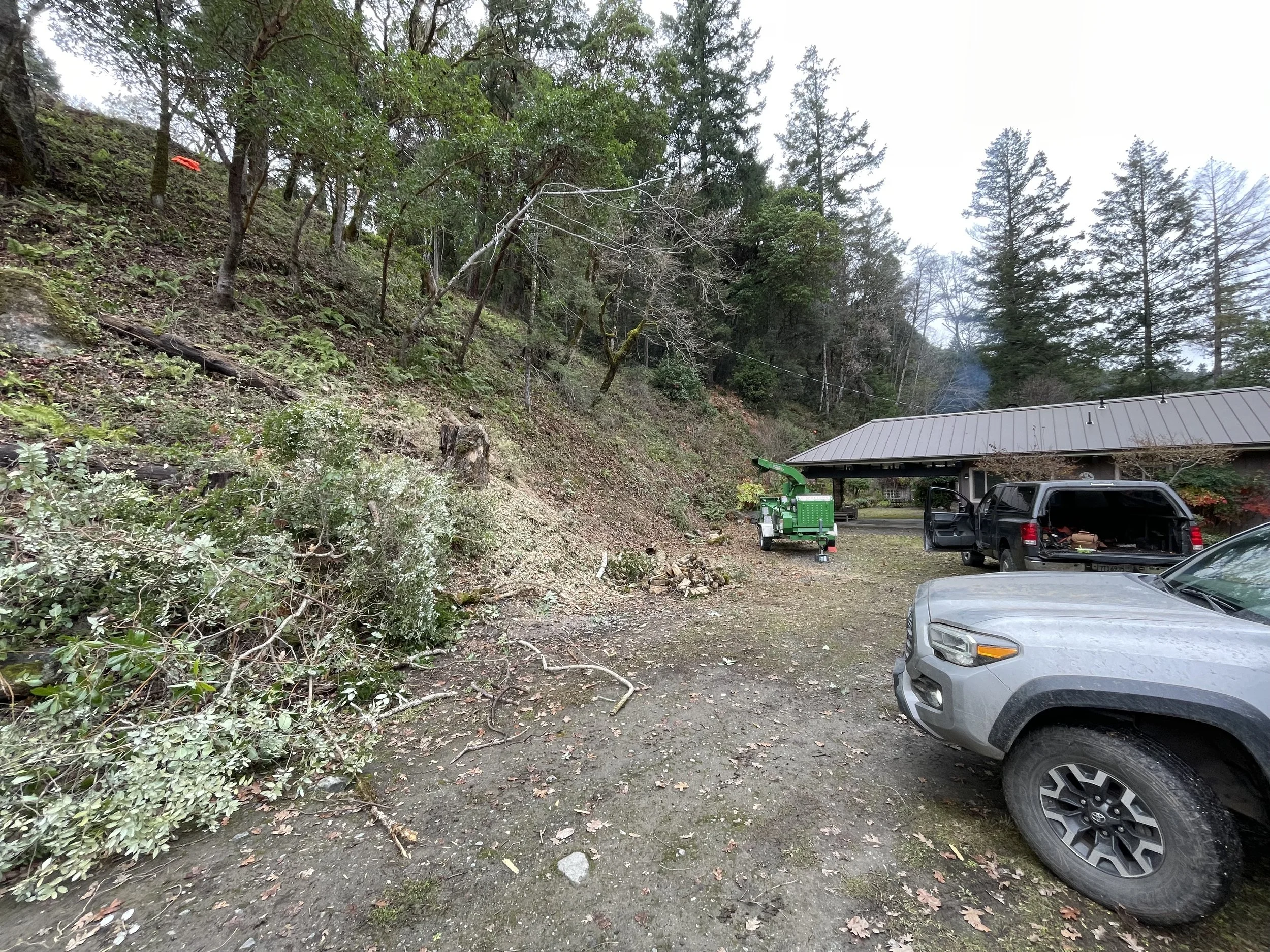
Help forest landowners assess economic and environmental benefits of thinning and biomass removal. Support strategic fuel treatments. Facilitate collaboration with Tribal Nations where cultural burns are appropriate. Match smaller landowners with forestry management businesses. Develop value stacks to support stewardship activities aligned with landowner management objectives.
-
Co-found and operate a biomass innovation / bioeconomy cluster campus. We aim to develop biomass product markets, as well as to create a space for innovation in biomass utilization and new job growth.

Scanning & Research
-
Scan key constituents (tribes, landowners, nonprofits, timber and manufacturing businesses, etc.) for their biomass capacity and interests. Assess existing and potential biomass processing facilities to identify gaps and opportunities.
-
Identify processing gaps and propose infrastructure investments. Establish local processing areas and plan to maintain their success over long time frames.

Focal Industries
-
Mobile CoGen - Mobile small-scale energy and heat systems derived from biomass.
Biofuels - Fuels developed from woody biomass and used to replace petroleum based fuels.
Biomass Energy - 5MW cogeneration plant using mill waste through California’s BioMAT Program. Reduces mill waste costs and disposal risk, produces energy and heat for kilns, essential to create mass timber products.
-
Mass Timber Production - Large wood building components for floors, walls, roofs or structural elements made from dimensional lumber for low to high-rise buildings. Industry experts project demand for mass timber in the U.S. to double every two years through 2034.
Panelized Building Fabrication - Develop construction fabrication facilities that use mass timber.
Building Sheathing, Roofing, and Flooring - Mineralized biomass for home sheathing, roofing, and flooring.
Wood Fiber Insulation - High-performance boards, batts, and loose fill sequester carbon and are recyclable.
Wood Wool Cement - Wood wool cement is a building material made of wood fibers mineralized with cement, creating a versatile, lightweight panel with good thermal insulation, acoustic absorption, and fire resistance properties.
Clearwash - Clearwash is an innovative bioaggregate technology that transforms various agricultural residues into high-performance building materials with superior thermal insulation properties through a specialized process that optimizes the cellulose fibers’ porosity and binding capabilities.
-
Carbon Market - Reduced Emissions from Megafires; Biochar; Bio-Hydrogen, Carbon Vaults, Energy Production with Carbon Capture System
Water - Green Infrastructure Investments
Biodiversity Conservation Investments
-
Innovative Biomaterials - Bioplastics, polymers, biomedical applications, food additives.
Textiles - Biomass transformed into innovative textiles - for example, mushroom leather from tan oak biomass - Doc Marten, Adidas, Hermes product lines using vegan leather.
Biochar - Soil amendment to build structure, store nutrients, and build soil carbon storage capacity.
Industrial Scale Vermiculture - Biomass for vermiculture (worm compost) that cleans dairy and winery wastewater.
Biomass Oil - Carbon removal technology that converts biomass to a stable carbon-rich liquid, pumped deep underground for long-term carbon storage.