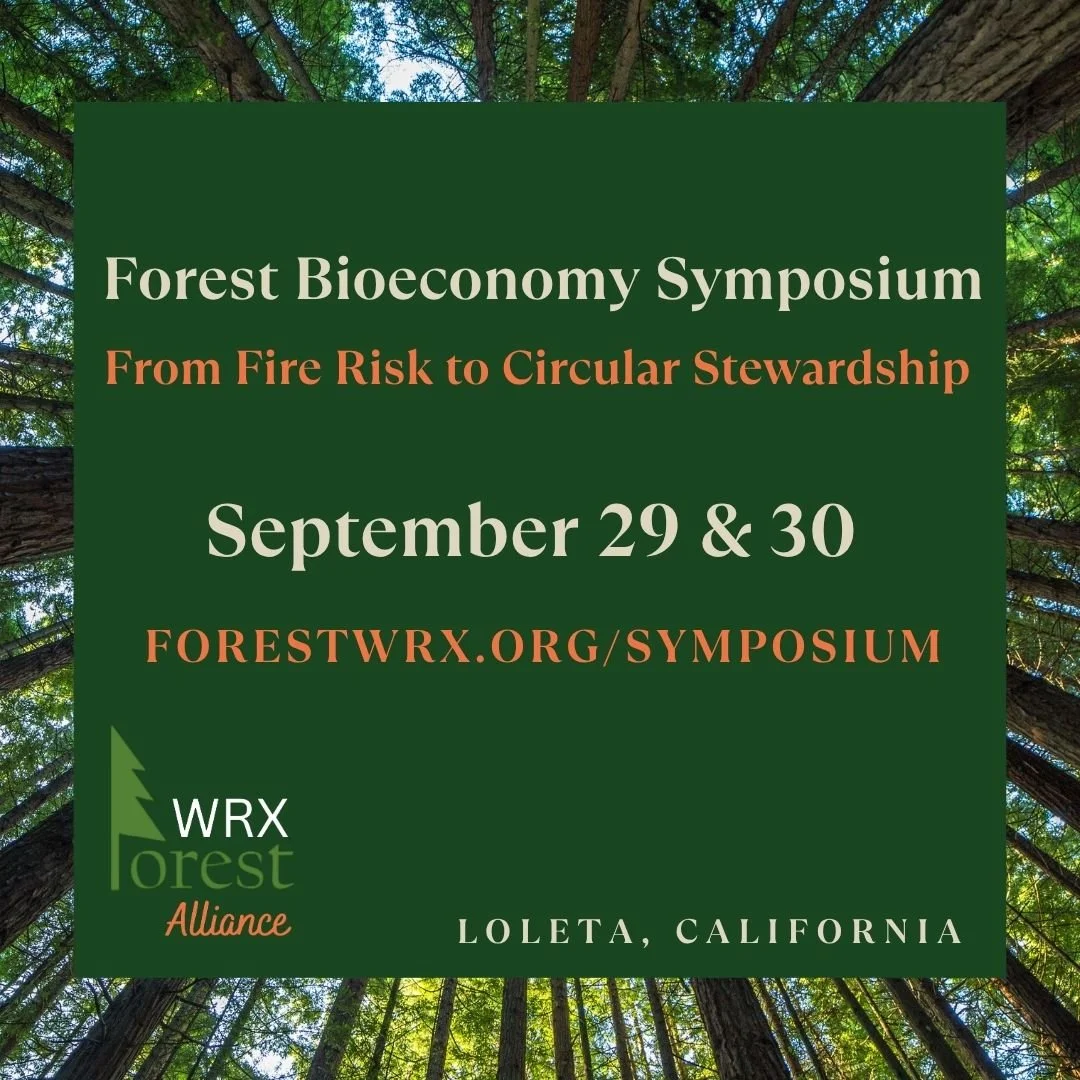
September 30: Symposium
KEYNOTE ADDRESSes
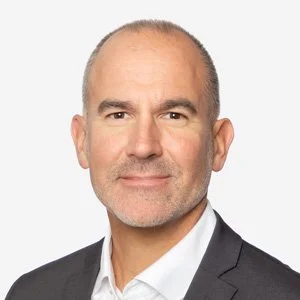
Post-war Germany faced a version of the challenge the Redwood Region knows well: an abundance of forest material the existing economy had no good way to value, infrastructure and systems that left enormous potential on the table, and an urgent need to rebuild. The answer was innovation and 80 years later, Fraunhofer WKI stands as one of the world's leading wood product research institutions, having turned that untapped potential into a thriving global industry. Prof. Dr. Raoul Klingner, WKI's Director, Professor at Technical University Braunschweig, and newly appointed chair of Germany's national ministerial advisory group on forest and wood research, brings that story and its direct lessons here. His keynote will cover the materials WKI has developed, the policy investment that made it possible, the EU's newly released 2025 Bioeconomy Framework, and what WKI's current wildfire-resilient materials research means for California's construction markets and building codes. This session is also an opening move, a direct invitation to Cal Poly Humboldt, regional manufacturers, and economic development partners to explore what a formal transatlantic research relationship could look like. Come ready to listen, and to introduce yourself.
From Low-Value Wood to High-Tech Materials and Resilient Value Chains: 80 Years of Forest Bioeconomy Innovation and the Redwood Region Opportunity
Prof. Dr. Raoul Klingner, Director, Fraunhofer WKI Institute for Wood Research, Braunschweig, Germany
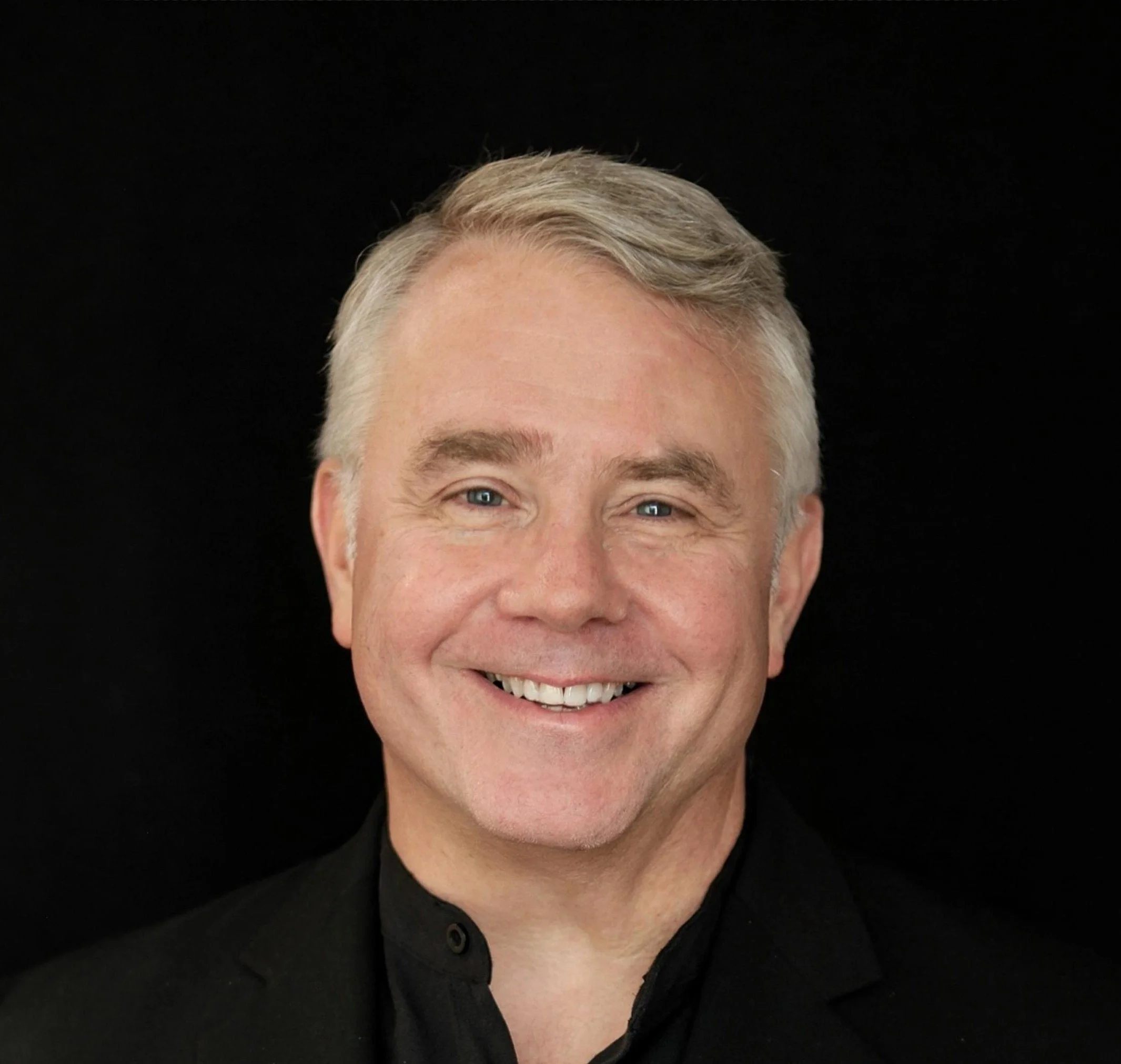
Science is not the bottleneck. The innovations that could transform how we build our communities, reduce toxic inputs, and sequester carbon in the built environment already exist. And yet they are not reaching the market at the pace or scale the moment demands. Dr. John Warner, Co-Founder of Green Chemistry and one of the most influential chemists of his generation, addresses the structural gap that separates promising innovations from widespread adoption: the missing middle in the Technology Readiness Level pipeline where ideas stall, funding dries up, and good science fails to reach the people who need it. His co-keynote examines the research incentive systems, policy environments, and capital landscapes that sustain this gap, and articulates what deliberate, systems-level investment in the innovation pipeline looks like in practice. His remarks set the intellectual frame for the afternoon working sessions, leaving the room with a clear-eyed understanding of what it will actually take to let these innovations succeed.
The Innovation Gap — From Discovery to Commercial Scale
Dr. John Warner, A Founder of Green Chemistry, CEO & CTO of Technology Greenhouse